By 2026, Cyberpunk 2077 has pulled off the sort of glow-up that would make a reality-TV makeover show jealous. Phantom Liberty has long since landed, the 2.0 overhaul has done serious heavy lifting, and CDPR has shifted its gaze toward Project Orion. Yet for plenty of players, one old interview still sticks in the craw like a bad braindance: a CDPR executive insisting the launch was “way better than it was received” and that hating the game “became a cool thing.” Cue the world’s smallest violin. The player has a bone to pick—not with the comeback, but with the rewrite.
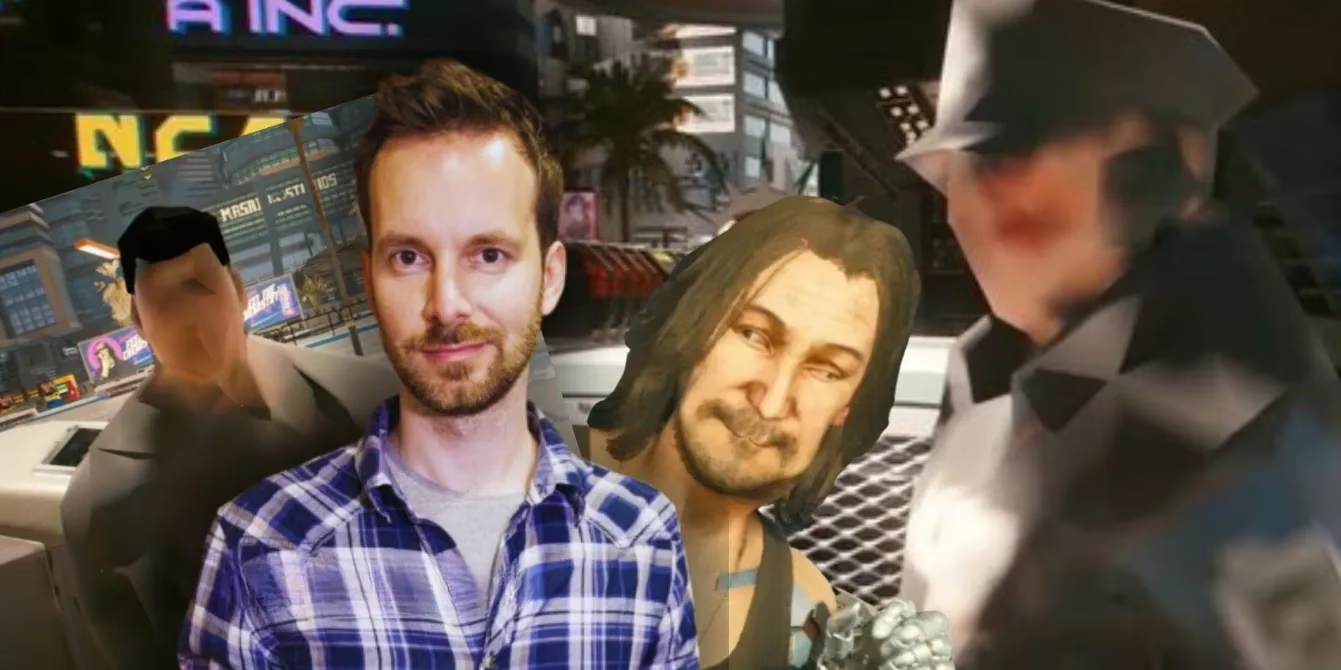
That quote is not just a nostalgia grenade; it is a masterclass in corporate yoga. The executive bends himself into a pretzel to avoid the one sentence that matters: “We shipped a broken game and we are sorry.” Instead, the story gets a shiny coat of paint. The launch was fine, apparently; the problem was the reception. The game was good, allegedly; the audience simply decided it was cool to boo. That is not accountability. That is a spin doctor doing cardio.
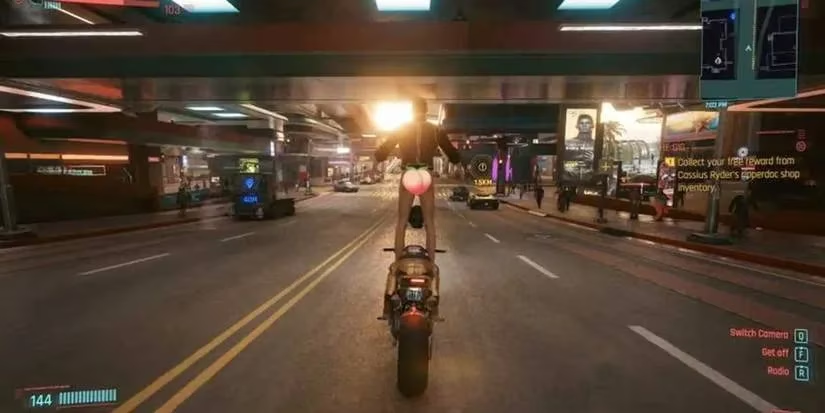
History, unfortunately, keeps receipts. Cyberpunk 2077 launched in a state so rough that Sony pulled it from the PlayStation Store, the Xbox One version struggled to keep its head above water, and bugs, crashes, and unpolished systems were the order of the day across platforms for months. Players did not invent those problems by jumping on a bandwagon. They found them by pressing “play.” Calling a spade a spade is not a PR strategy; it is basic respect for the people who bought the ticket.
| 🗣️ The polished version | 🧾 The receipts |
|---|---|
| “Way better than it was received” | A launch so rough that Sony pulled it from the store and refunds became a headline. |
| “It became cool not to like it” | Haters did not create the bugs, the crashes, or the missing polish. Players did. |
| “A critical mass of negativity” | That mass formed after broken performance and a long, messy cleanup job. |
Now, no one is demanding eternal groveling. CDPR apologized. It shipped fixes, rebuilt systems, and delivered Phantom Liberty. A single apology followed by tangible results is usually enough. But owning a mess is not a limited-time event, and it is not water under the bridge when an executive reopens the topic with revisionist spin. The company can celebrate the comeback without pretending the starting line was a victory lap. It cannot have its cake and eat it too—especially not while telling fans they were just riding a bandwagon.
The interview’s softer passages about restructuring, work-life balance, and improving development pipelines are all well and good. They tacitly nod to the crunch and chaos behind the launch. But there is a noticeable absence of “we failed on this” or “we went wrong here.” There is plenty of “what we went through as a team” and “what we will do going forward,” which is lovely corporate language for a company that would rather talk about the journey than the pothole it dug. The tell is simple: when the apology has more caveats than a legal contract, it is not an apology. It is a press release wearing a cardigan.
Phantom Liberty is a hit of CDPR’s own making? Great—shout it from the rooftops. The studio earned that victory. But the botched launch is also CDPR’s own making, and both facts belong in the same story. A comeback does not retroactively patch the past. If CDPR wants the goodwill back, it needs to own its history without caveats or revisions. Face the music, keep the receipts, and stop telling players they were just being sheepish about a game that launched like a car with three wheels and a loose steering column.
CDPR’s origin story remains a hell of an arc: from bootlegging games in post-communist Poland to building triple-A adventures that make richer studios look sleepy. That deserves admiration. But admiration is not a blank check. Haters gonna hate, sure—but sometimes the “haters” are just players holding a receipt and asking the company to read it out loud. Own up, take it on the chin, and let the redemption arc speak for itself. That is how goodwill gets rebuilt—not by telling the audience they were the problem.