I have spent more hours than I care to admit chasing some kind of peace in Night City. I've joined Arasaka, stormed the tower with Rogue, ridden into the sunset with Panam, and even tried that secret solo run as Johnny Silverhand. But here's the rub: most of those endings felt like they belonged to a different game. The base game has 'good' endings, 'bad' endings, and a secret boss rush. What it lacked was a true cyberpunk resolution, the kind where the hero doesn't get the girl, the corpo, or the glory. Then came Phantom Liberty, and with it, the only finale that actually left me feeling something.
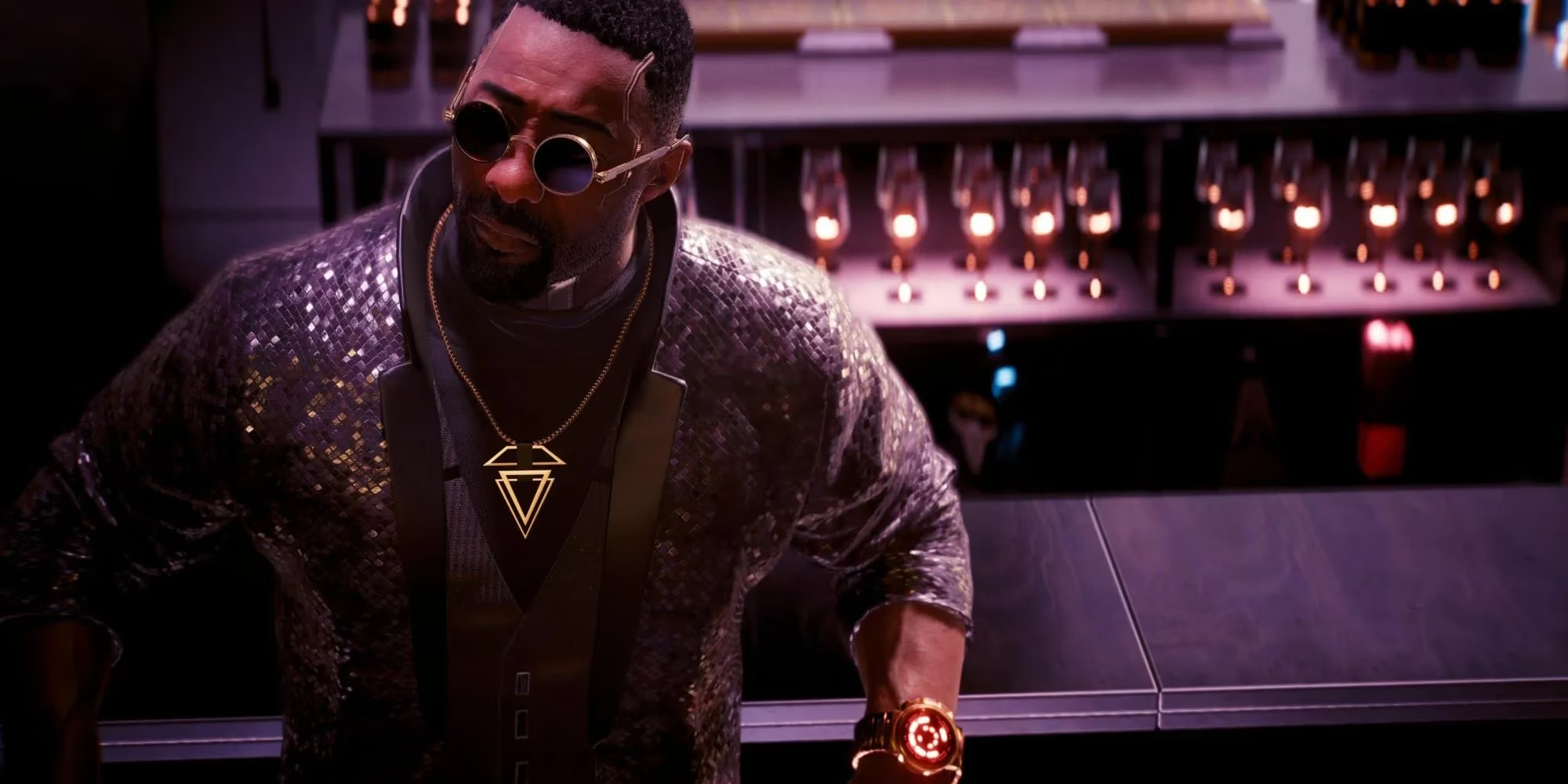
🚨 Spoilers ahead for Cyberpunk 2077: Phantom Liberty and several base-game endings.
The Base Game's Ending Problem
Cyberpunk 2077's original endings are ambitious, but they have a genre problem. In a world named after cyberpunk, you'd expect moral ambiguity and a few punches to the gut. Instead, many routes still follow the old 'pick a flavor of closure' formula.
| Base Game Route | What Happens | Why It Falls Short |
|---|---|---|
| Join Arasaka | V takes the corporate deal and ends up in space | Chilling in theory, but it doesn't fit V's desperation |
| Ride with Panam | Leave Night City hoping for a cure | Too sweet and tidy for the world |
| Rogue's assault | Storm Arasaka Tower with Rogue | Feels too clean, or too strange if Johnny takes over |
| Secret solo run | Face Arasaka alone as Johnny | A gameplay challenge, not a narrative payoff |
The corpo ending is twisted, sure, but it never quite hit the nail on the head. The Panam route gives you a sugar rush of hope. The Johnny route is weird, the Rogue route is too neat, and the secret ending is basically a skill check wearing a narrative trench coat. The game kept promising a genre that bites, then offering endings that mostly wave goodbye.
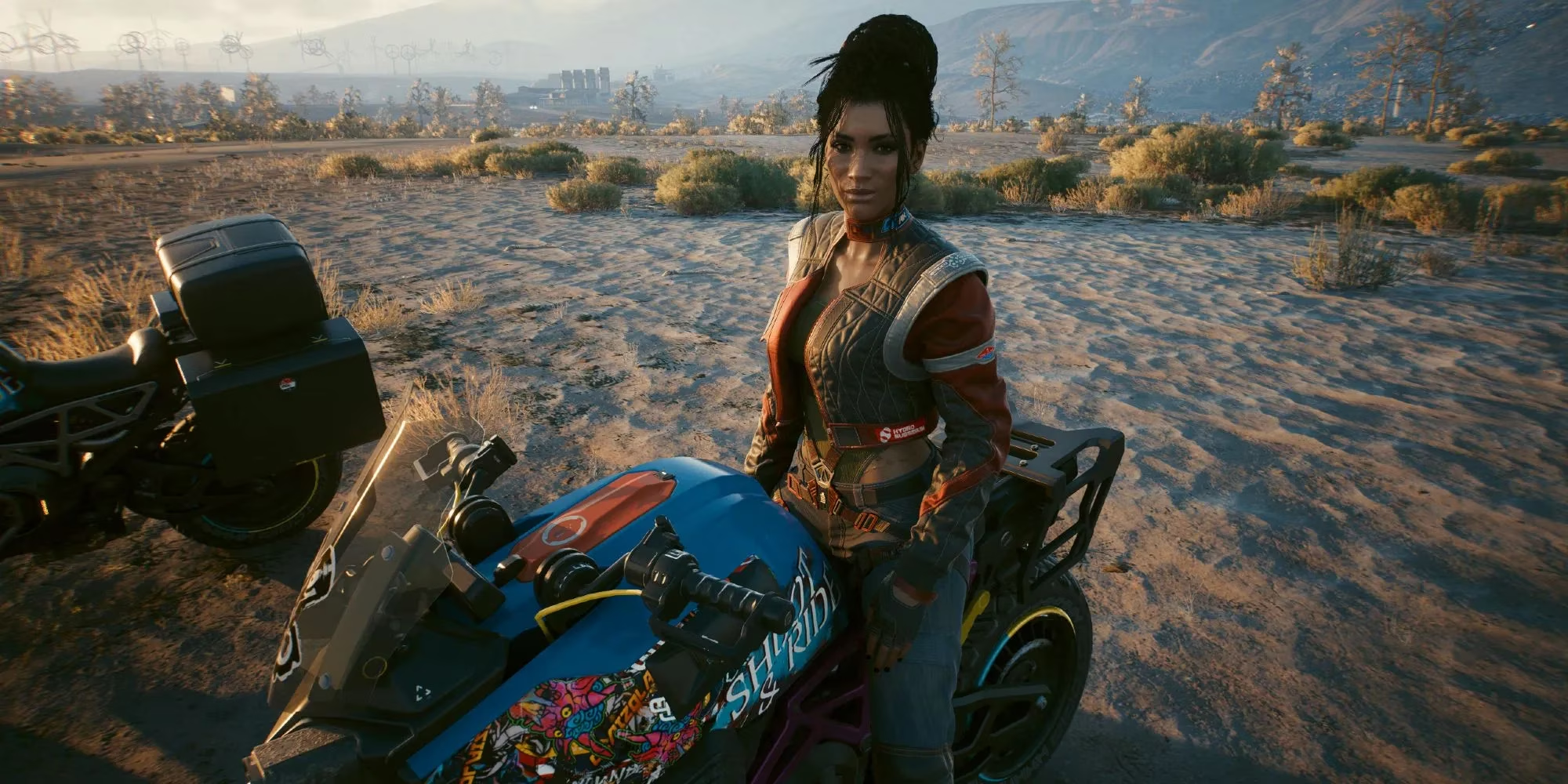
Phantom Liberty, though, finally understands the assignment. A proper cyberpunk ending should feel like walking home in the rain with your coat soaked and your morals slightly askew. It should leave you wondering if the cure was worth the cost.
The Expansion That Raises The Stakes
The whole mess starts when Songbird calls with a promise: she can remove Johnny from V's skull without flatlining her. Too good to be true? Of course. But in Night City, hope is a currency, and V is flat broke. So you take the gig.
Then Songbird gets captured, the conspiracy starts unspooling, and suddenly she looks like a traitor. But here's the kicker: she isn't just playing everyone. She's dying, much like V, in a remarkably similar way. She wasn't lying about the cure. The problem is that there is only a single dose.
I found myself between a rock and a hard place. Do I trust someone who has already lied to me more than once, or hand her over to Solomon Reed, a man who probably intends to execute her? Once bitten, twice shy? I was thrice shy and selfish. My V wasn't a monster. She was just tired, burned by Night City, and willing to make an ugly call to save her own skin.
A Finale That Finally Feels Noir
When the last choice came, I didn't feel like a hero. I felt like a person in a noir film, standing in the rain and watching the credits roll anyway. I watched Reed carry Songbird into the dark, her chrome catching the neon, and for the first time the game didn't ask me to feel good about it.
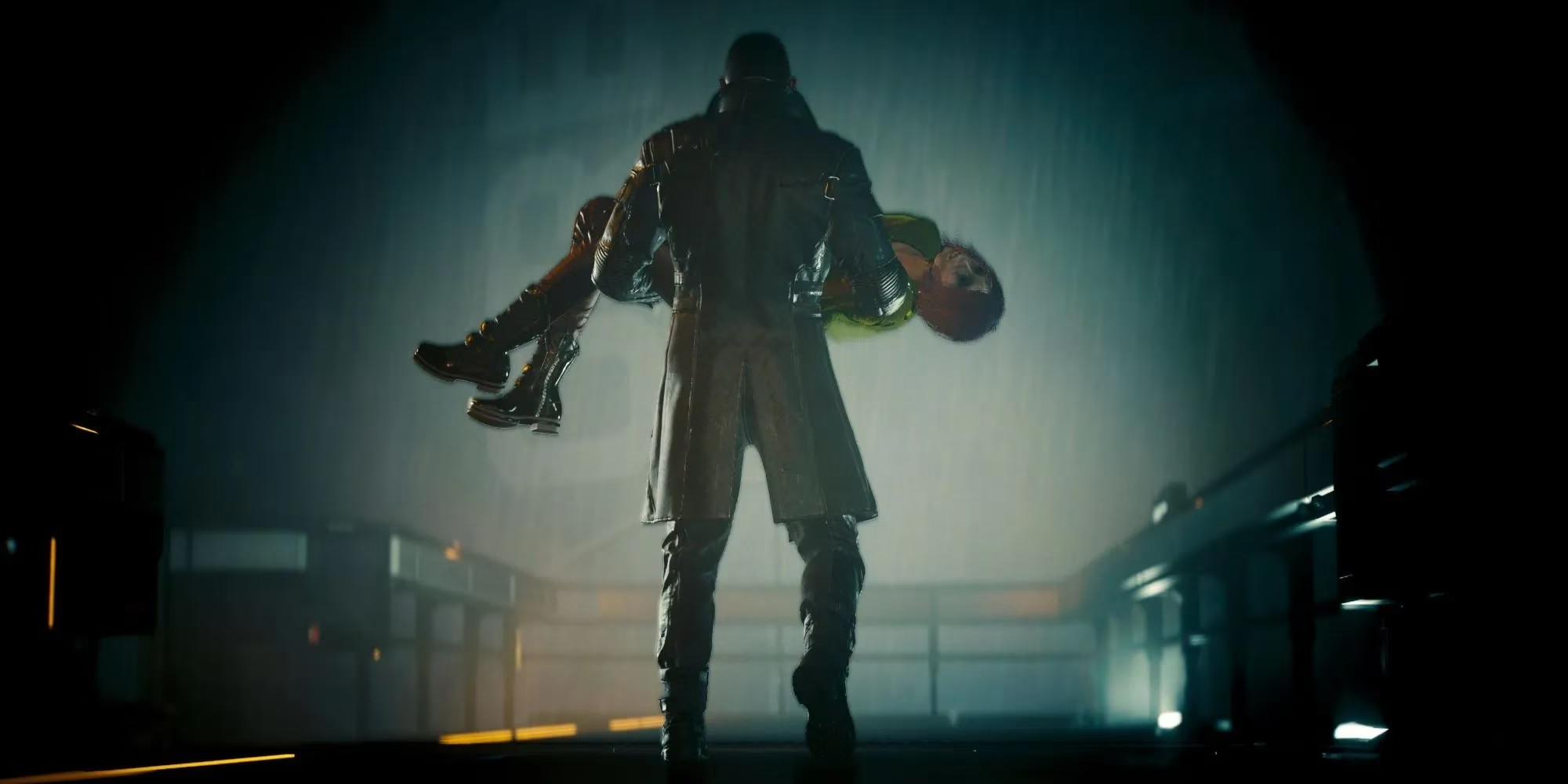
That's the point. Cyberpunk shouldn't hand you a trophy for being decent. It should make you feel the weight of surviving. There are no clean victories, no heroes, no cartoon villains. Just desperate people making desperate choices. For the first time, Night City earned its name.
Final Verdict
I still have bones to pick with Cyberpunk 2077. The launch was a trainwreck, the city sometimes feels hollow, and I will never forgive the shoe selection. But Phantom Liberty's ending commits. It gives you a choice where every option costs something, and it doesn't pretend otherwise.
Some players call the new epilogue added to the base game a downer, and I get it. But the expansion's own finale is the one I keep thinking about in 2026: it relies on consequences, not catharsis.
If you're replaying the game while waiting for the next chapter in Night City, do yourself a favor: don't chase the clean escape. Sit in the dirt a little. That's where the real story lives.
This discussion is informed by reporting from VentureBeat GamesBeat, and it helps frame why Phantom Liberty’s bleak “cure at a cost” finale lands harder than Cyberpunk 2077’s more conventional base-game closures: the expansion treats survival like a transaction, where power brokers win, assets get traded, and even the “right” choice reads like a compromise with the machine—exactly the kind of moral accounting that makes a cyberpunk ending feel earned rather than comforting.