Hello, my name is a recovering Night City loot goblin, and in 2026 I am still emotionally negotiating with the ending of Cyberpunk 2077: Phantom Liberty. Yes, I know the expansion landed back in 2023. Yes, I know Project Orion is the shiny new thing everyone keeps whispering about. But I booted the game up again this year, made a fresh V with questionable fashion choices, and rediscovered why Phantom Liberty matters: it did not just add Dogtown, Solomon Reed, and a spy-thriller plot. It added a sixth ending to the base game, and that little narrative crowbar is still wedged in my brain.
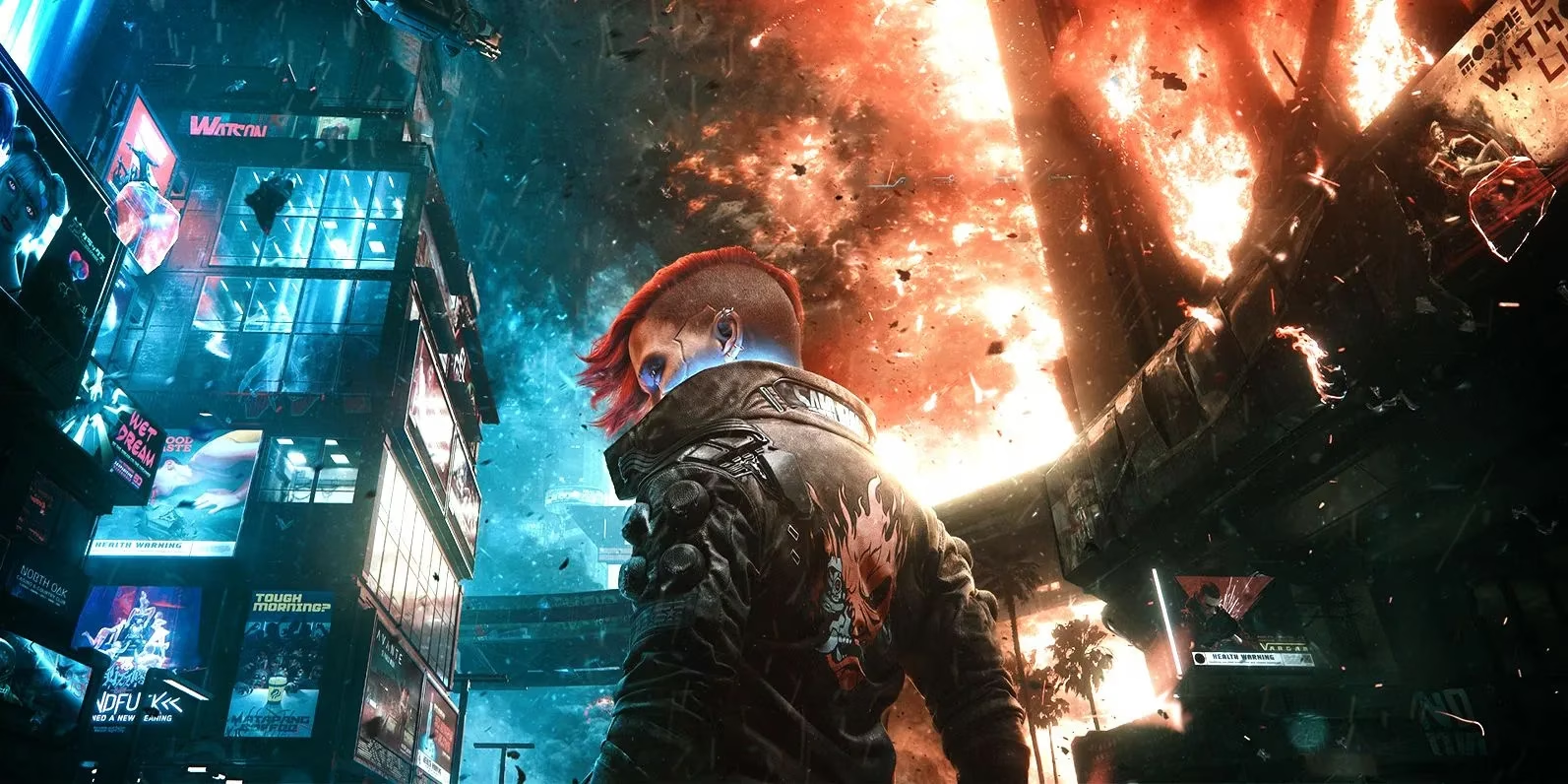
CD Projekt Red confirmed before release that Phantom Liberty would branch into multiple endings based on player decisions, and that one of those paths could unlock a brand-new sixth ending in Cyberpunk 2077. The expansion was designed to slot into the middle of the game, similar to how The Witcher 3 expansions worked. You need to reach a certain point to unlock it, but once you do, you can skip right to it. In practice, that means Phantom Liberty sits somewhere in Act 2, after the Heist and before the original endgame, which is exactly the sort of placement that lets a DLC quietly rewrite your whole fate.
As a player, I love that. As a chronic overthinker, I also hate that. Do I finish the base game first? Do I rush Dogtown? Do I pretend I am going to make responsible choices and then immediately take the shiniest, most dangerous job on the board? We all know the answer. 🫠
| What I expected | What Phantom Liberty delivered |
|---|---|
| A simple cure button | A spy-thriller with lies, costs, and a new ending path |
| A side story | A mid-game expansion that can reshape V's fate |
| More Night City | More Night City, plus Dogtown and emotional damage |
The heart of the speculation was Songbird. She is the personal Netrunner for the President of the NUSA, which already makes her the kind of person I would not lend my car to. In the trailer, she tells V she knows about the bomb ticking in their head, and later V talks about the cure Songbird promised. That promise is enormous, because the entire plot of Cyberpunk 2077 is basically V trying to remove the Relic from their skull without becoming a digital ghost with a bad attitude. Anders Hellman thought he could help. The Devil ending showed Arasaka doctors actually removing the chip, albeit not successfully. So a character with better credentials and a suspiciously glitchy entrance is exactly the kind of person who can change the board.
And yes, the glitching matters. Songbird flickering in and out of reality like Johnny Silverhand strongly suggested she might be an engram herself, which would explain why she seems to know so much about the Relic. In 2026, with the expansion long behind us, I can say the cure is not a simple happy button. Phantom Liberty loves making you pay for your choices, and the new ending path is less yay, cured and more congratulations, you survived, now please sign this emotional invoice. That is extremely Cyberpunk. It also means the sixth ending is not just fan service; it is a real narrative fork with consequences.
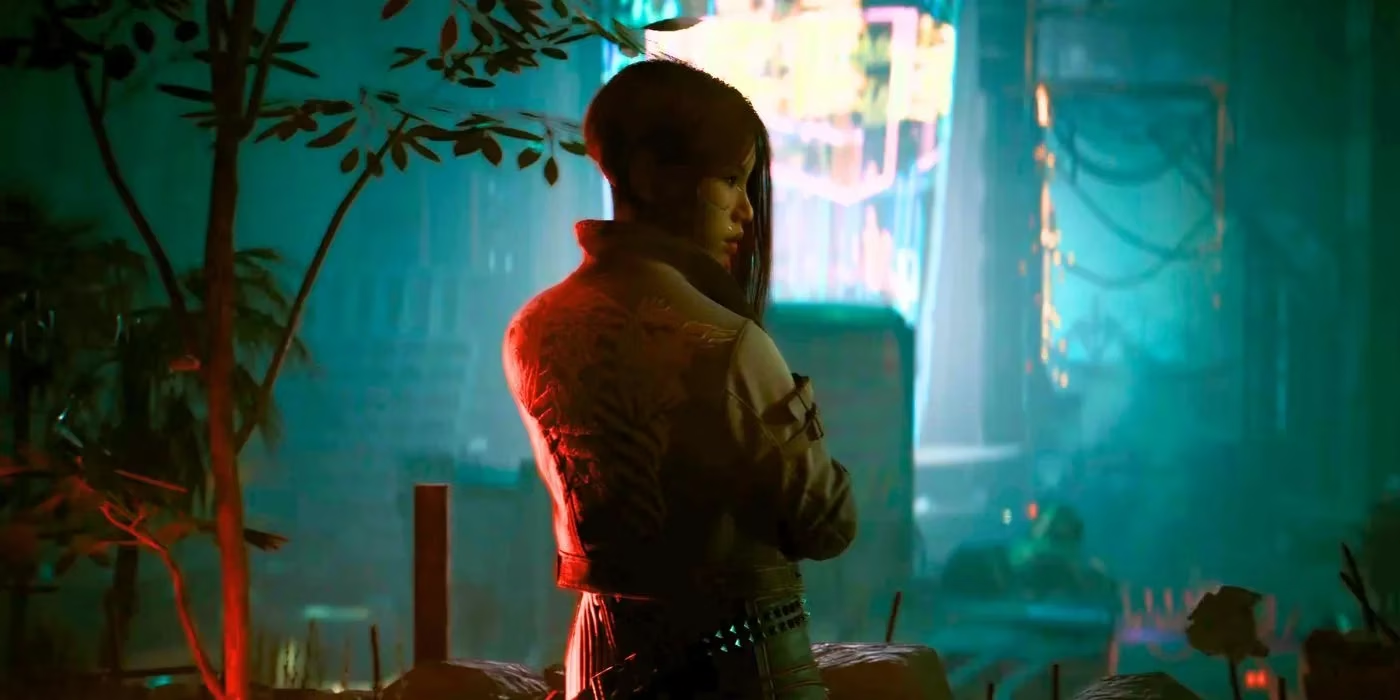
Why does this still matter in 2026? Because Phantom Liberty was Cyberpunk 2077's first and only expansion, but it was not the last visit to this universe. Project Orion is in development, and while CDPR has kept details quiet, the expansion left a very interesting door open. If V can survive, a direct sequel becomes possible. A few months or years down the line, we could see the same merc navigating Night City again, maybe dismantling Arasaka, maybe becoming the next big fixer, maybe just trying to afford rent and a decent cyberdeck. That is emotionally compelling because players already know V's life. It is also risky, because survival is not the same as happiness, and a cure could undercut the grim premise that made the base game sting.
Here is my highly scientific player-brain list of why the sixth ending still matters:
-
It gives V a future-shaped choice instead of a locked tragic fate.
-
It makes a mid-game expansion feel genuinely consequential.
-
It sets up sequel possibilities without guaranteeing a happy ending.
-
It proves DLC can be more than extra guns and a new district.
-
It gives me an excuse to replay the game and make worse decisions. 😌
So where do I land? As a player, I love that Phantom Liberty can rewrite V's fate. As a cynical choom, I appreciate that it does not hand out a free happy ending. And as someone waiting for Project Orion, I am fascinated by the fact that the expansion left a door open. The door is not labeled happily ever after. It is labeled maybe, if you can afford the bill. That is extremely Cyberpunk. 8/10, would get emotionally scammed by a pink-haired Netrunner again.
As detailed on Game Developer, expansions that alter a main campaign’s ending tend to resonate most when they deepen player agency rather than simply extend playtime, which helps explain why Phantom Liberty still feels so significant: by inserting a high-stakes espionage arc into V’s struggle for survival, it turns DLC into a structural change to Cyberpunk 2077’s narrative instead of just an optional detour.