In gaming, the spotlight often falls upon protagonists, boss battles, and mechanics, yet the maps are the silent stagehands that make every legend possible. They are battlegrounds, exploration hubs, and archives of untold narratives. As 2026 unfolds, the industry continues to revisit, remake, and expand beloved universes, making one question more urgent than ever: what if the camera turned away from the hero and toward the world itself? The following ten settings, drawn from a broad survey of memorable game maps, each possess enough history, conflict, and atmosphere to sustain a spin-off. They are not mere backdrops; they are characters waiting for their own stories to be told.
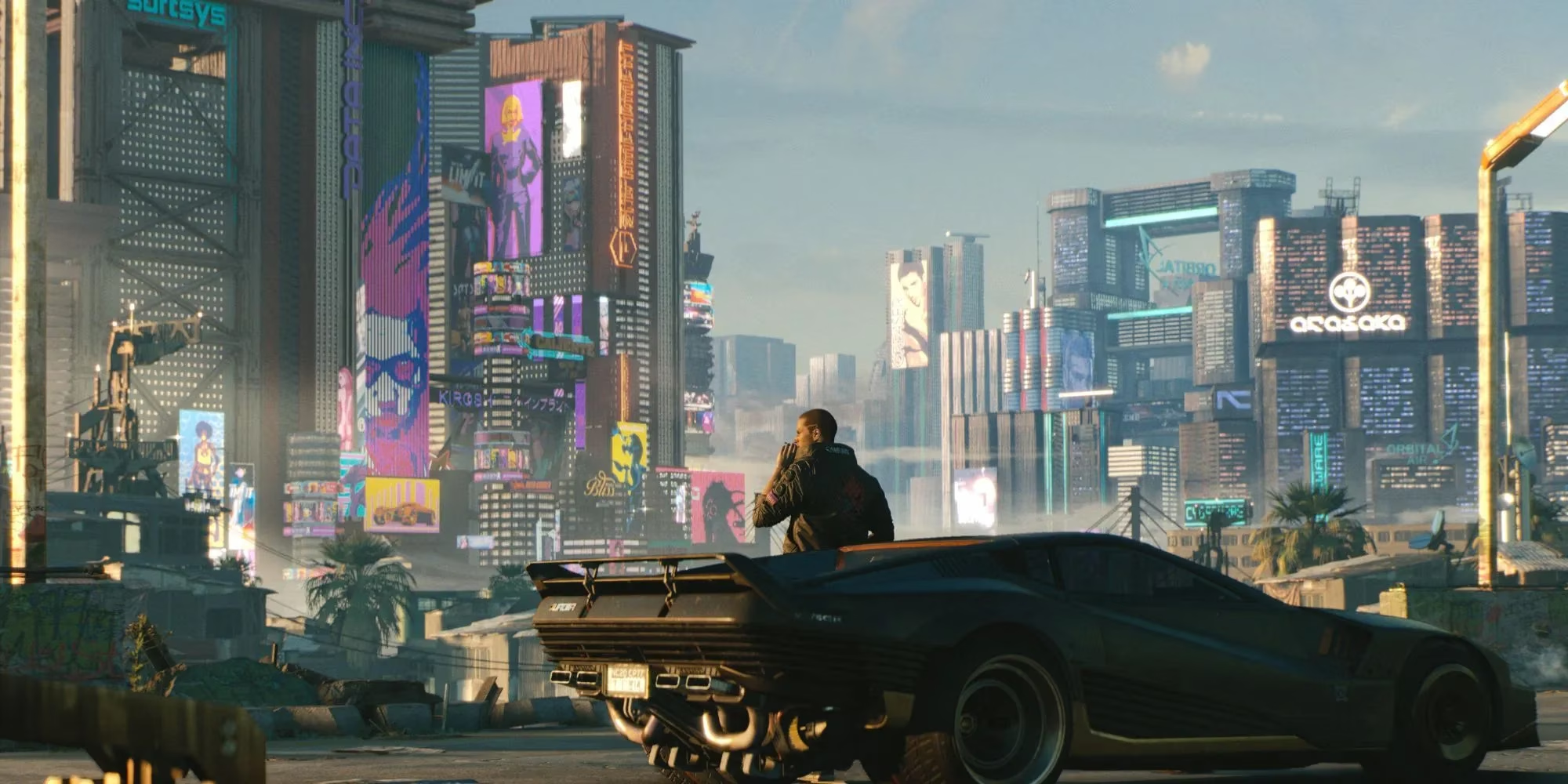
10. The Continent – The Witcher
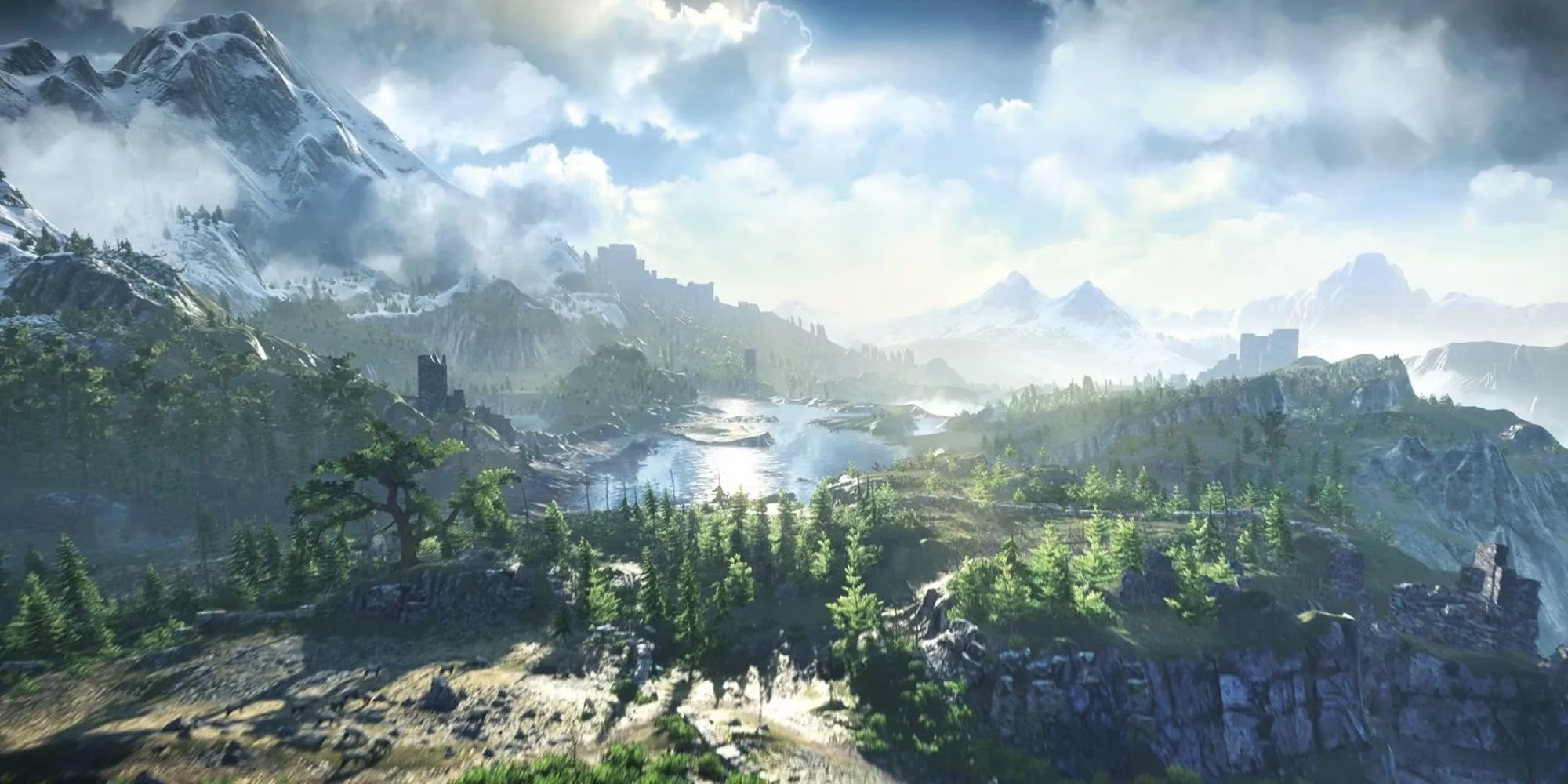
Few fantasy worlds are as politically tangled and morally gray as the Continent. From the mage academies of Aretuza to the storm-battered Skellige Isles, the setting is built on folklore, prejudice, war, and rare moments of compassion. A spin-off could follow a sorceress navigating court intrigue, or a Skellige warrior braving treacherous seas. Would a smaller, region-focused story not deepen Andrzej Sapkowski's universe while offering a fresh perspective? In 2026, with the Witcher franchise still expanding across games and adaptations, the Continent remains a prime candidate for a narrative that trades grand destiny for grounded survival.
9. The Metro System – Metro
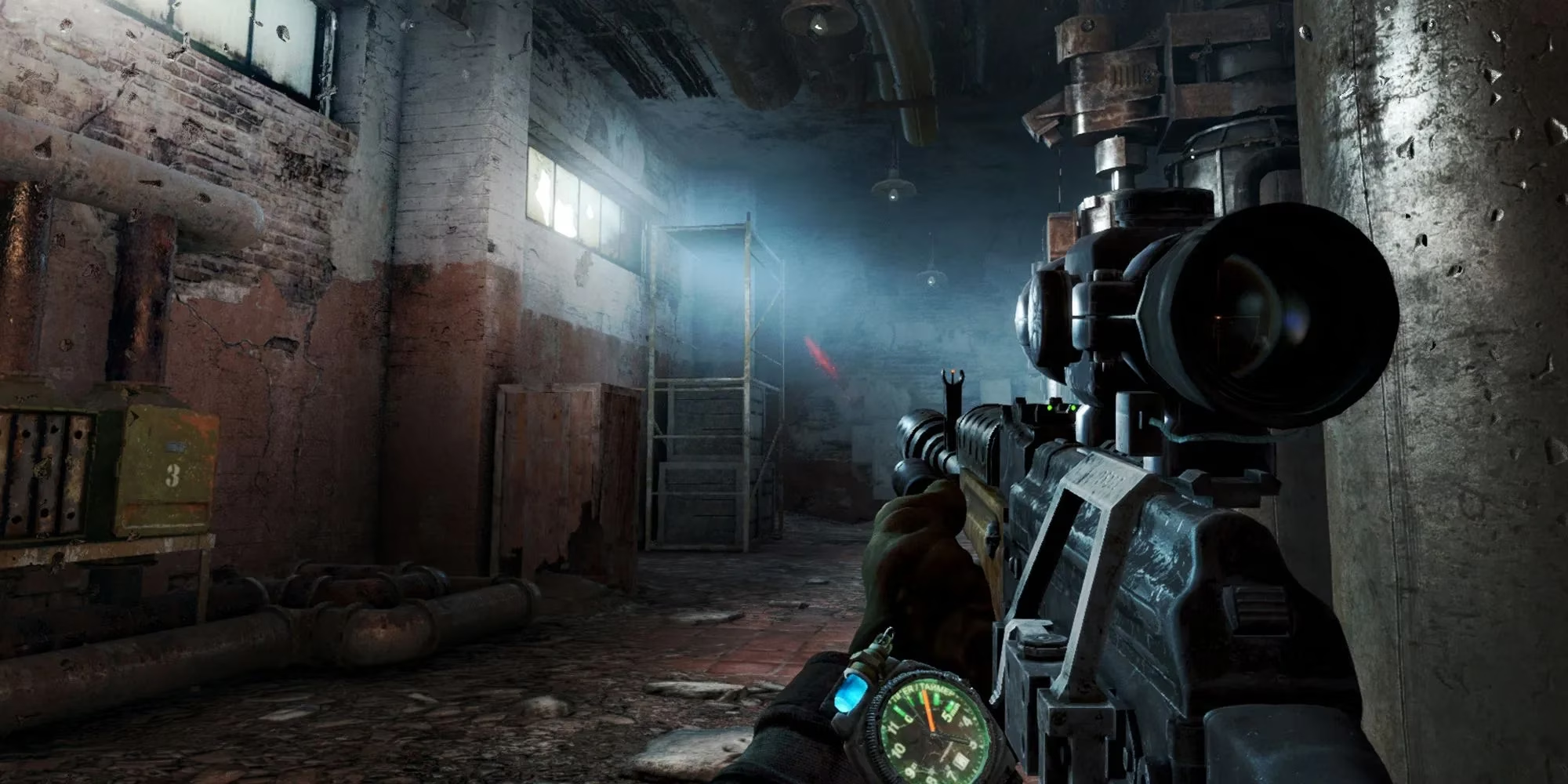
The tunnels and stations of the Russian metro in the Metro series form a claustrophobic civilization. Survival horror, stealth, and decision-driven storytelling converge in darkness. A spin-off could follow an ordinary citizen rationing bullets, filtering air, and avoiding mutants and rival factions. How much tension can be mined from a single station's politics? Plenty. The Metro's bleak yet intriguing world is rich with stories that never reach the surface.
8. Lordran – Dark Souls
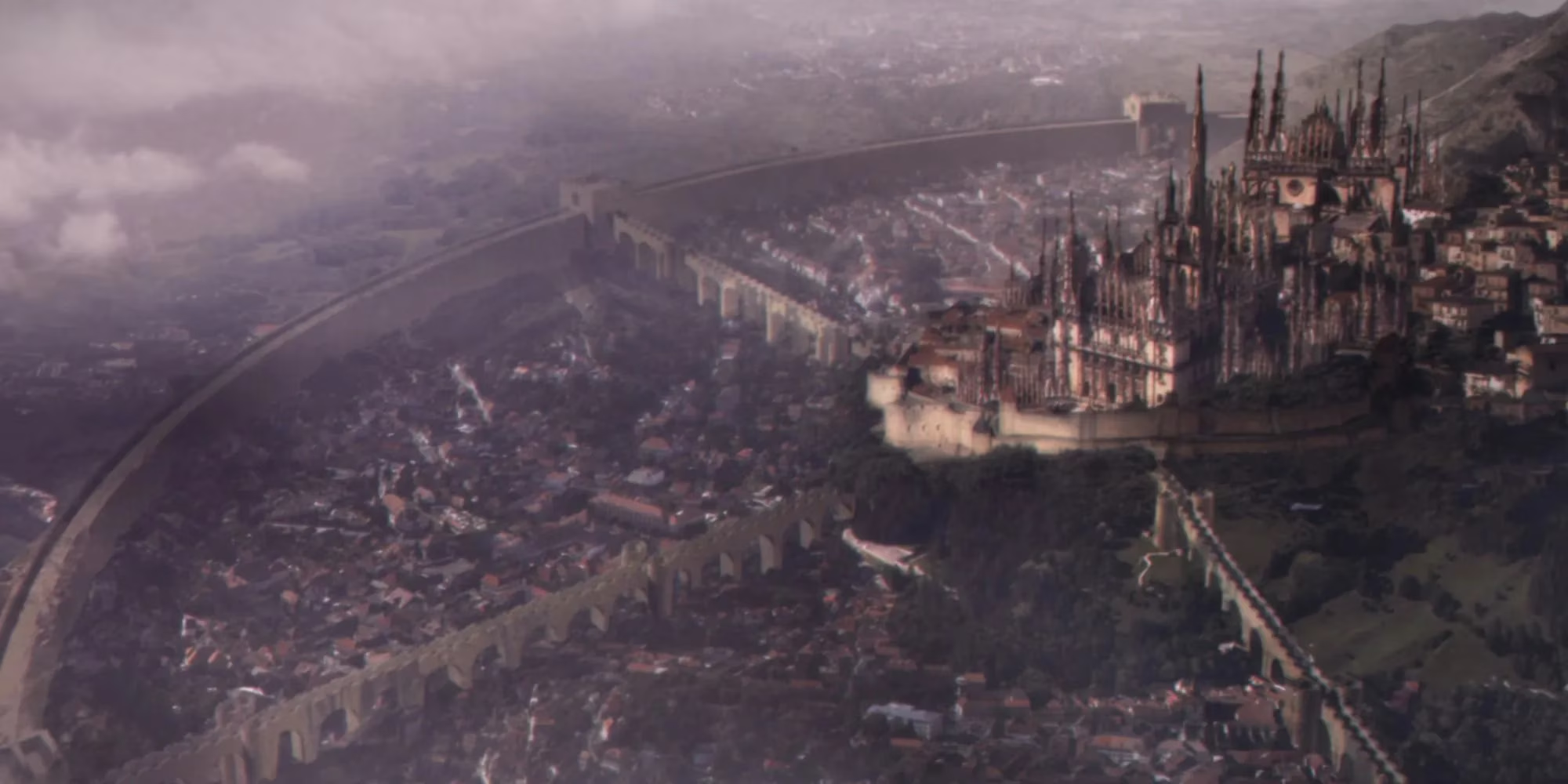
Lordran's intricate level design and punishing difficulty have captivated players for years. Every corner hides secrets, stories, and threats. A spin-off could shift focus to common people or lesser-known heroes trying to survive, while preserving challenging combat and exploration. What does a blacksmith, a cleric, or a dying knight dream of in a land where fire fades? Such a game could humanize a mythic ruin without diminishing its mystery.
7. Night City – Cyberpunk 2077
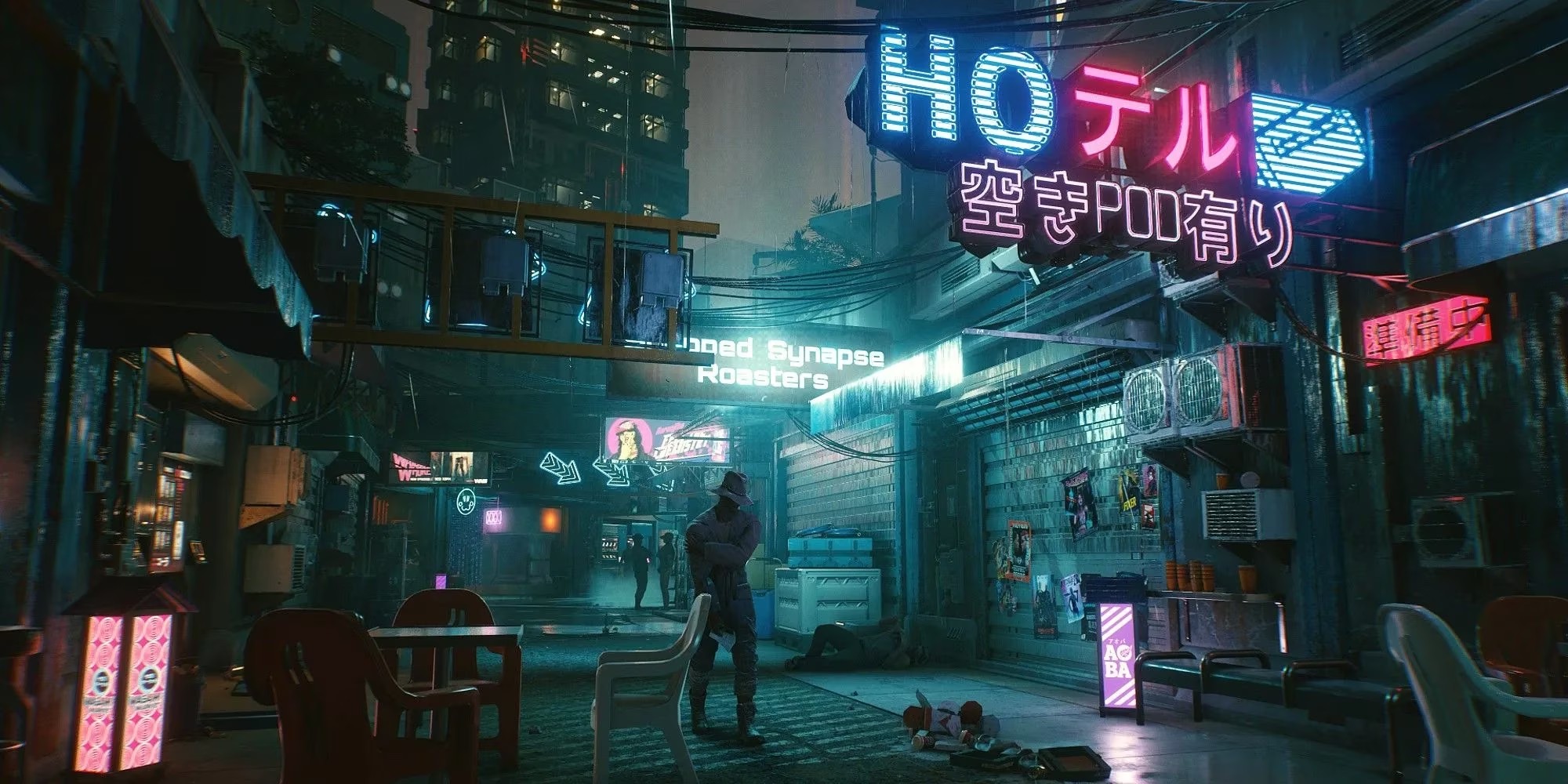
Night City is a neon-drenched metropolis of corporate towers, street gangs, and technological excess. Its stratified society is perfect for countless stories. A spin-off could chronicle a corporate executive's rise, an independent journalist exposing truth, or a fixer's daily compromises. In 2026, cyberpunk themes of AI, body modification, and inequality are more relevant than ever. Who really owns a city when every citizen is a product?
6. The Commonwealth – Fallout 4
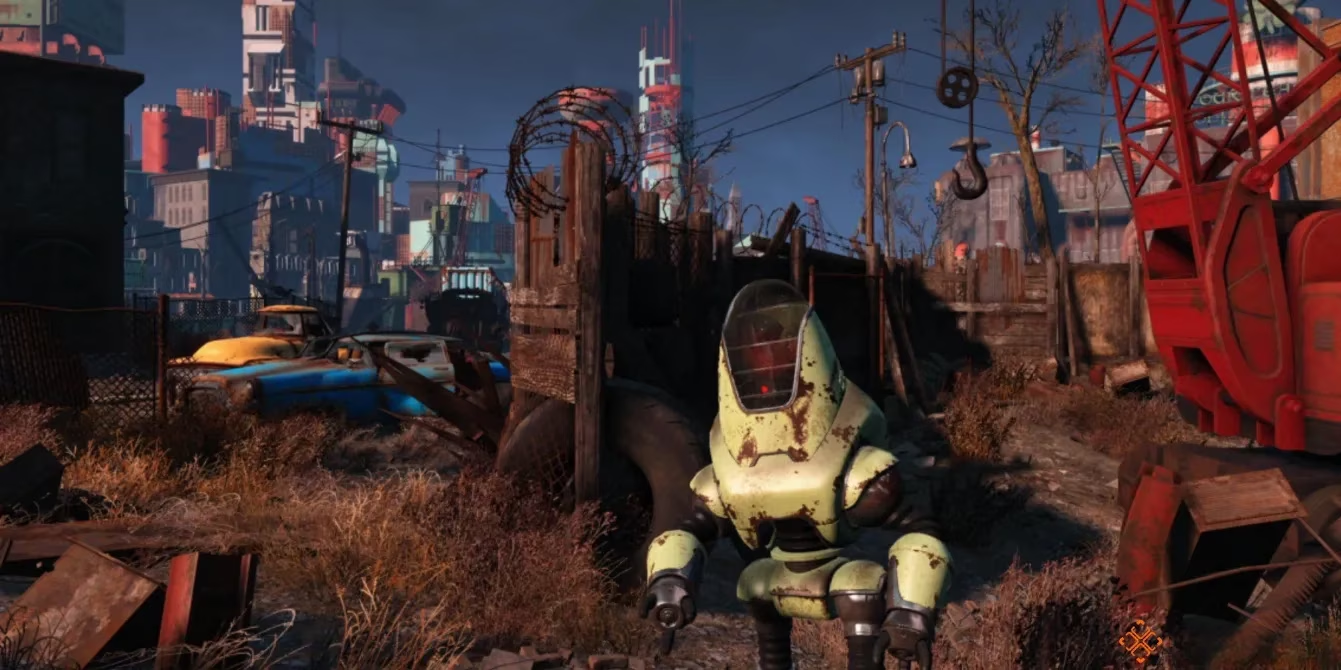
The Commonwealth blends retro-futuristic aesthetics, dark humor, and survival in a nuclear-ravaged landscape. A spin-off could delve into the Institute's inner workings or the Railroad's struggles, expanding the franchise's socio-political commentary. What happens when synths, settlers, and scavengers all claim the same ruins? The Commonwealth's answer would be messy, funny, and tragic.
5. Eos – Final Fantasy 15
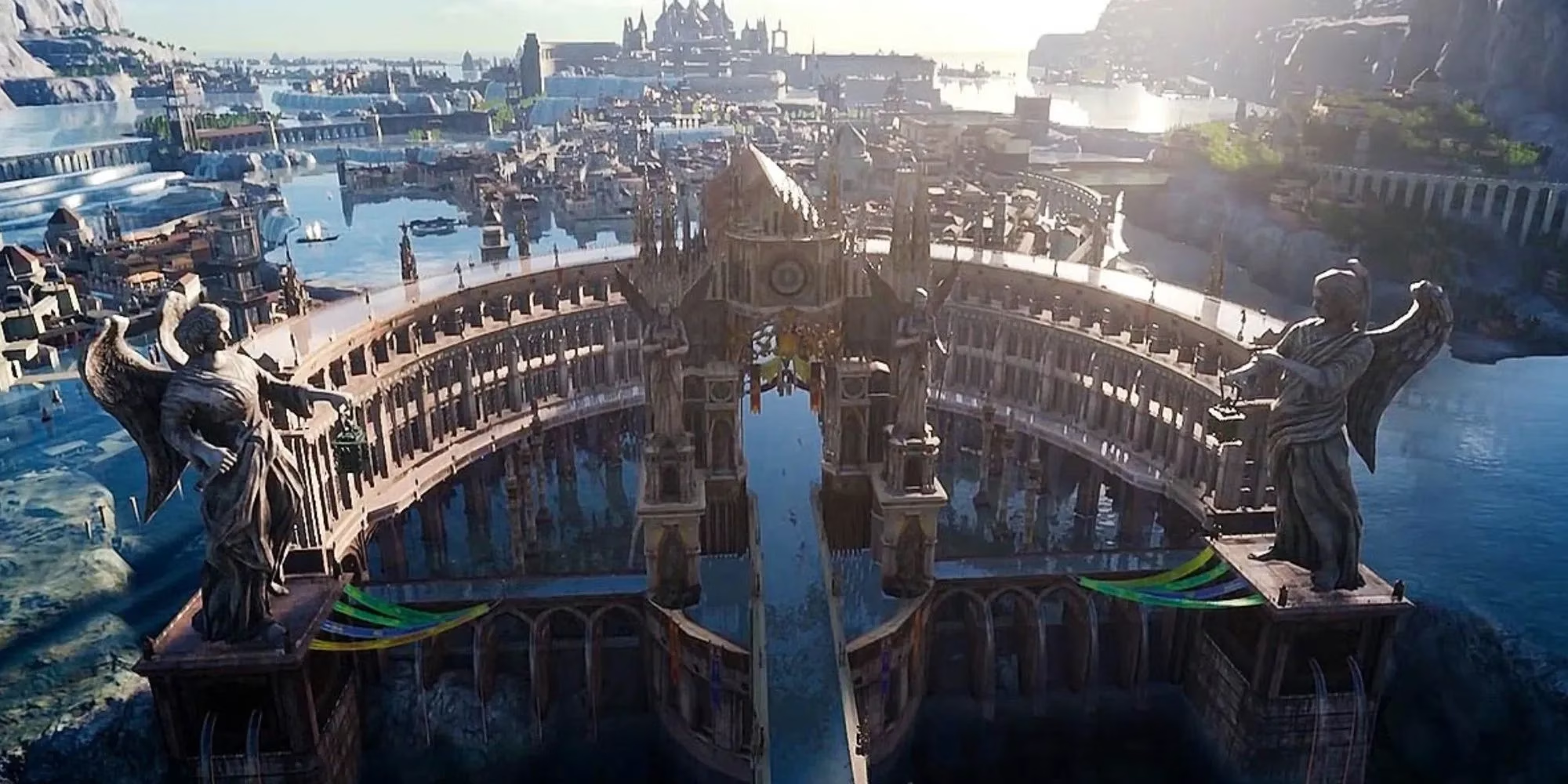
Eos mixes fantasy elements with modern aesthetics, from the grand city of Insomnia to rural outposts. A spin-off could explore a citizen's daily life in Insomnia or an Oracle's journey, enhancing lore and delivering a narrative-driven adventure. Does not a world this beautiful deserve stories beyond one royal road trip?
4. The Galaxy – Mass Effect
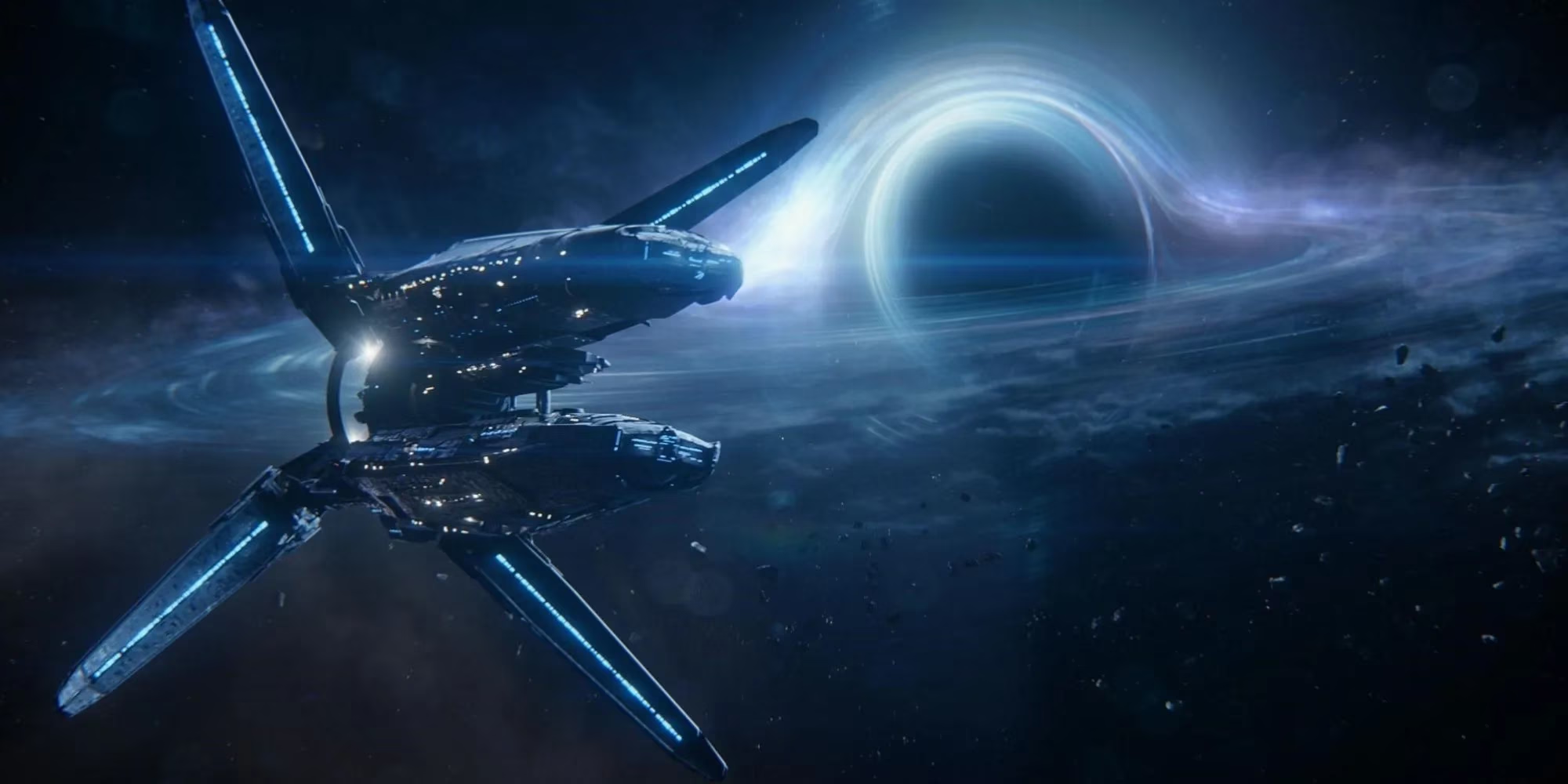
The Mass Effect galaxy brims with alien races, complex politics, and ancient mysteries. A spin-off could tell an epic of love and loss against interstellar diplomacy, or a mercenary adventure. Each species offers unique storytelling opportunities. What secrets might a salarian scientist, a turian soldier, or a krogan mercenary keep? The potential for stand-alone stories is vast.
3. Raccoon City – Resident Evil
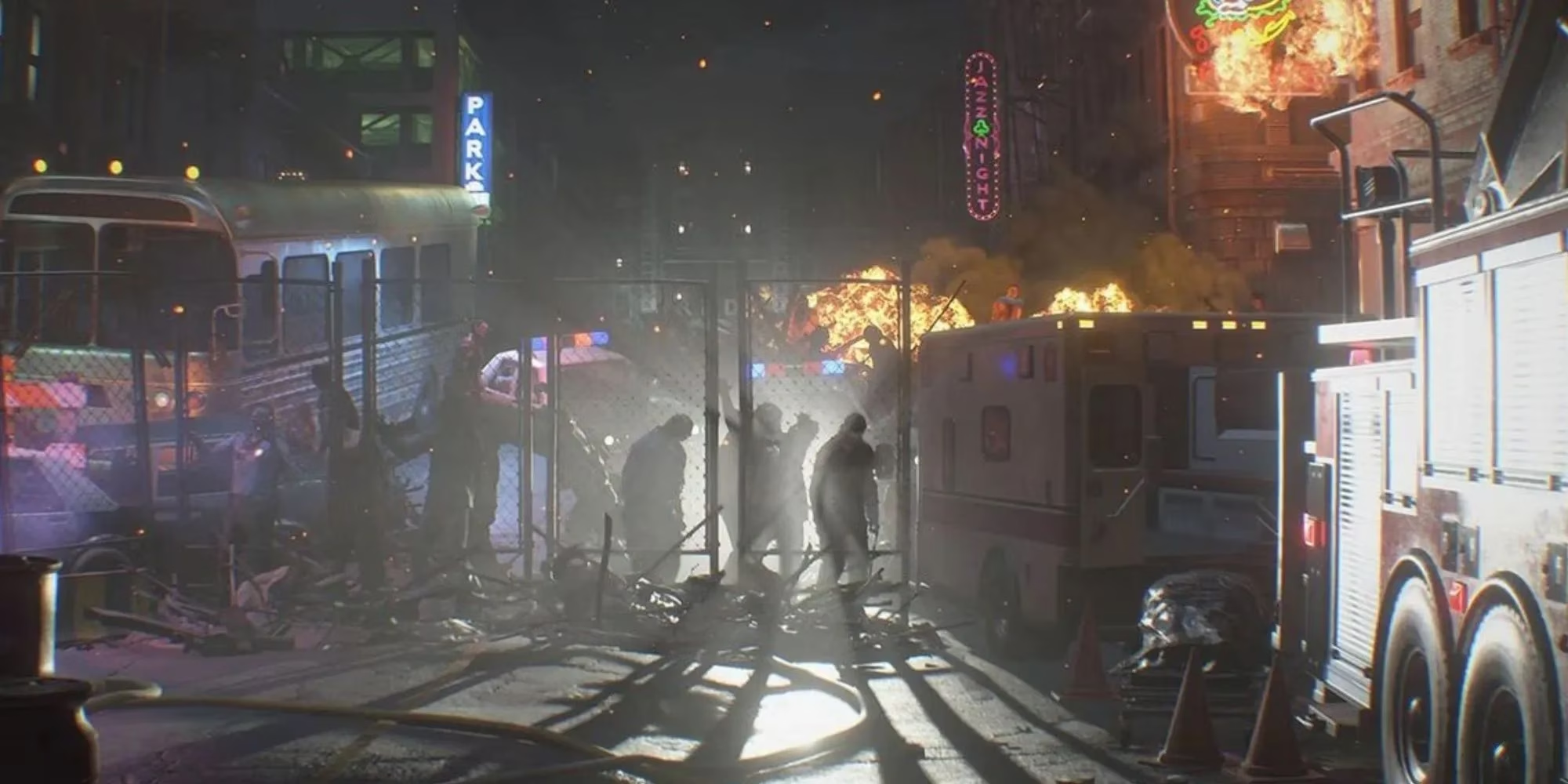
Raccoon City is the eerie epicenter of Resident Evil. Spin-offs could depict the initial chaos of the T-virus outbreak or follow an Umbrella Corporation employee. The series leaves many questions unanswered, providing ample source material. Can survival horror work without a known hero? The anxiety-inducing passageways of this cursed metropolis suggest yes.
2. Columbia – BioShock Infinite
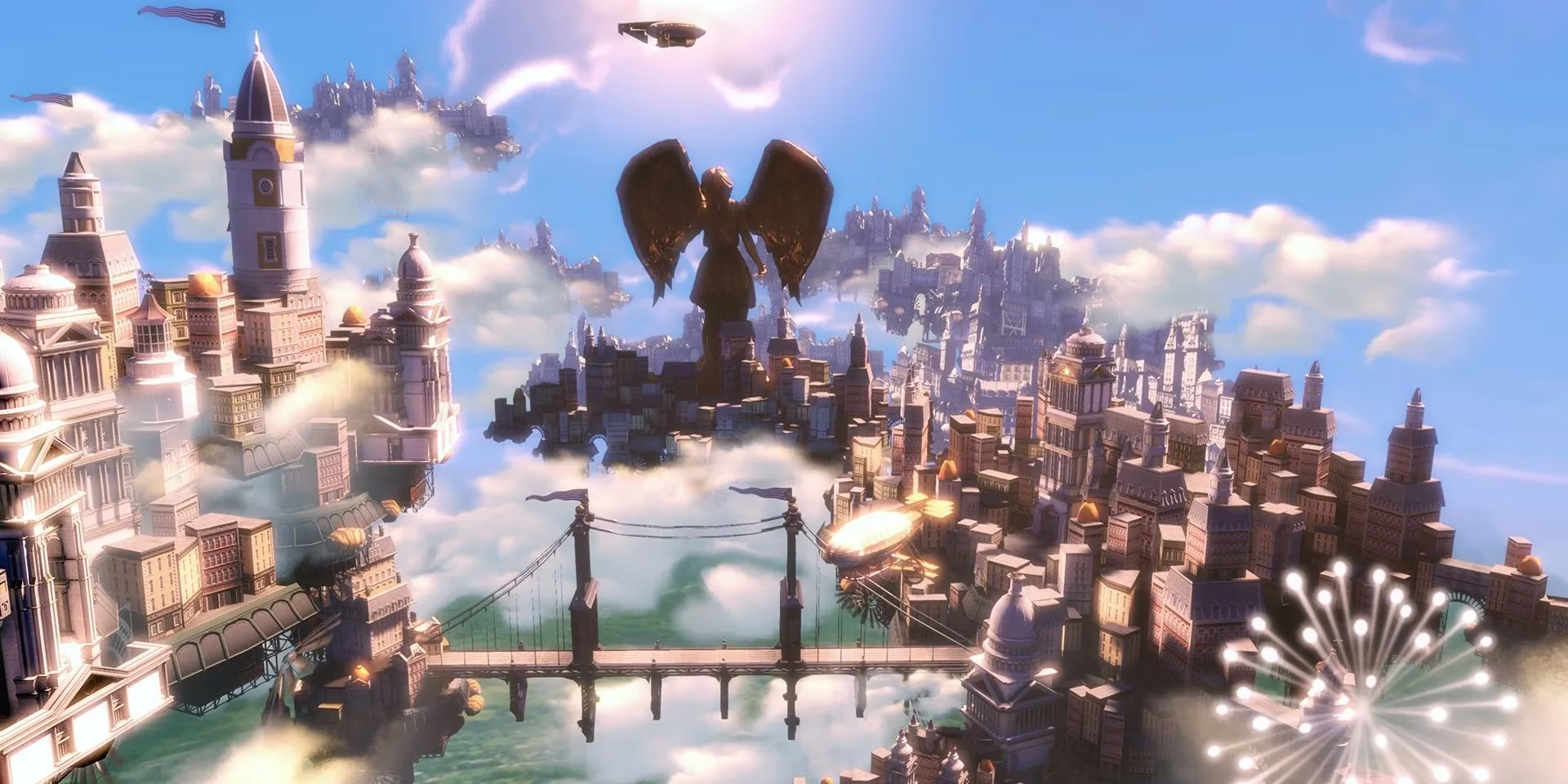
The floating city of Columbia, with its steep social divides and religious fanaticism, offers an intriguing stage. Zeppelins, quantum physics, breathtaking views, and deep political intrigue define it. A game centered on the Vox Populi, the city's workers, or the Lutece twins could shed new light. What price does a city in the clouds pay for its miracles?
1. Kamurocho – Yakuza
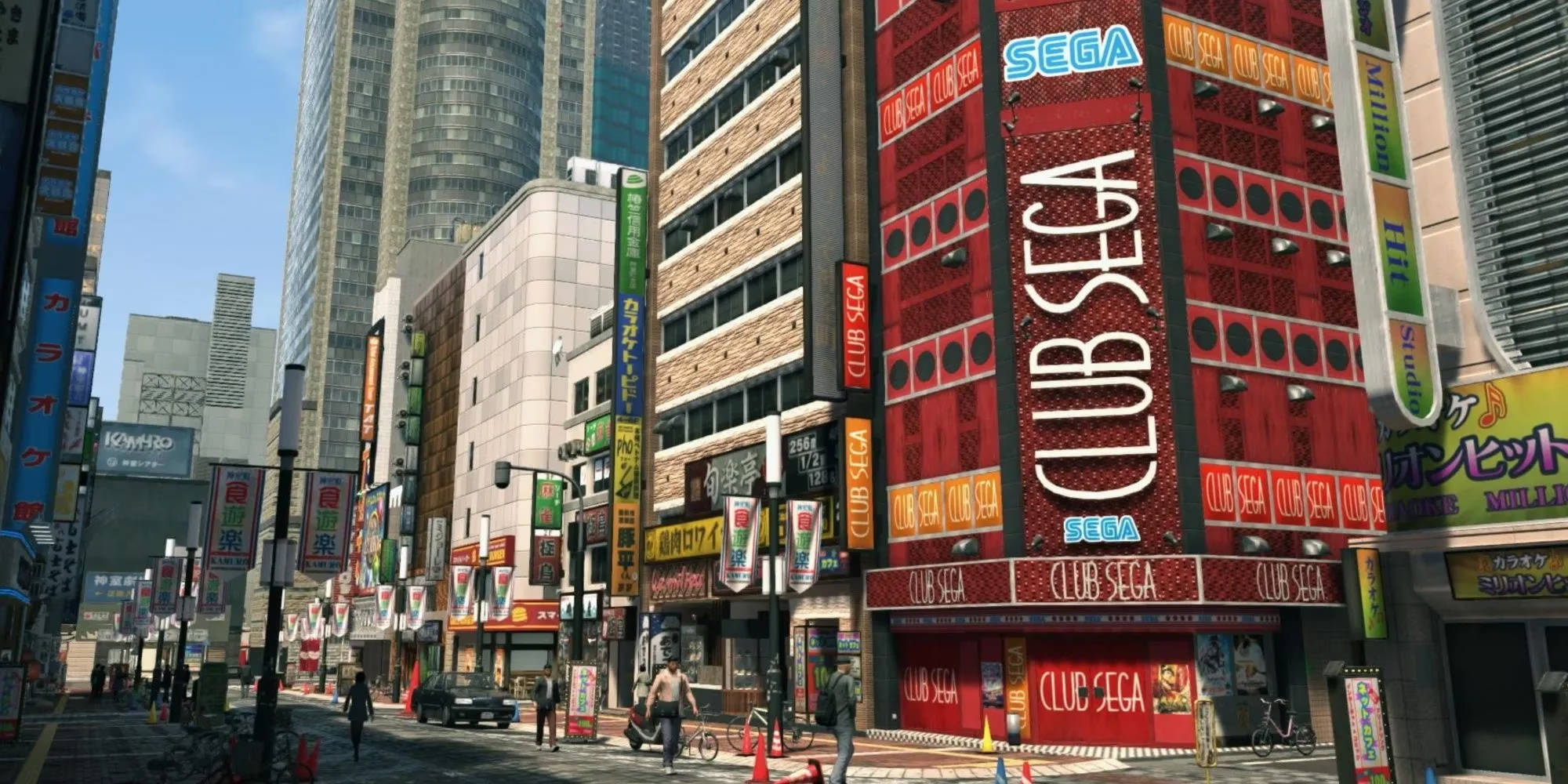
Kamurocho is a bustling, energetic hub and the epitome of Japan's vibrant nightlife in the Yakuza franchise. It is not just a backdrop; it is a character in its own right, integral to plot lines and character experiences. A spin-off focused on a detective, a business owner, or a cabaret club manager could provide a fresh perspective. In 2026, as urban life grows more digital, Kamurocho's neon streets remain a tactile, human-scale playground.
Spin-Off Potential at a Glance 📊
| Setting | Franchise | Core Hook |
|---|---|---|
| The Continent | The Witcher | Sorceress politics and Skellige sea raids |
| The Metro | Metro | Station survival and faction intrigue |
| Lordran | Dark Souls | Common folk in a fading world |
| Night City | Cyberpunk 2077 | Corporate rise or journalist expose |
| The Commonwealth | Fallout 4 | Institute secrets and Railroad missions |
| Eos | Final Fantasy 15 | Insomnia daily life and Oracle journey |
| The Galaxy | Mass Effect | Alien perspectives and mercenary tales |
| Raccoon City | Resident Evil | Outbreak chaos and Umbrella insider |
| Columbia | BioShock Infinite | Vox Populi and Lutece mysteries |
| Kamurocho | Yakuza | Detective, business, or nightlife stories |
These ten settings share a rare quality: they are memorable enough to carry stories without their famous protagonists. A spin-off need not be a cameo parade. It can be a quiet survival tale, a political thriller, a workplace drama, or a horror vignette. The question for developers in 2026 is not whether these worlds are rich, but whether they are brave enough to let new voices speak. After all, what is a legendary world without the ordinary lives that make it feel real? The maps are ready. The stories are waiting.
The analysis is based on reporting from Game Developer (Gamasutra), whose behind-the-scenes coverage on level design and worldbuilding helps explain why maps like Kamurocho, Columbia, and the Metro can function as story engines rather than scenery—supporting spin-offs that focus on systemic routines (work, survival, faction politics) and environmental storytelling instead of a single “chosen” protagonist.