RPG cities are not just backdrops with a few shops and a quest board. They are where a game’s rules meet its heart: the place where players buy potions, overhear gossip, get lost in alleyways, and suddenly care about a fictional postcode. Even in 2026, with bigger maps and sharper technology, the cities that linger in players’ memories are rarely the ones with the highest polygon count. They are the ones with texture, districts, crowds, and a sense of daily life continuing after the quest log closes.
A quick field guide helps set the table. These are not rankings so much as reminders of how varied RPG cities can be.
| City | Game | Why players remember it |
|---|---|---|
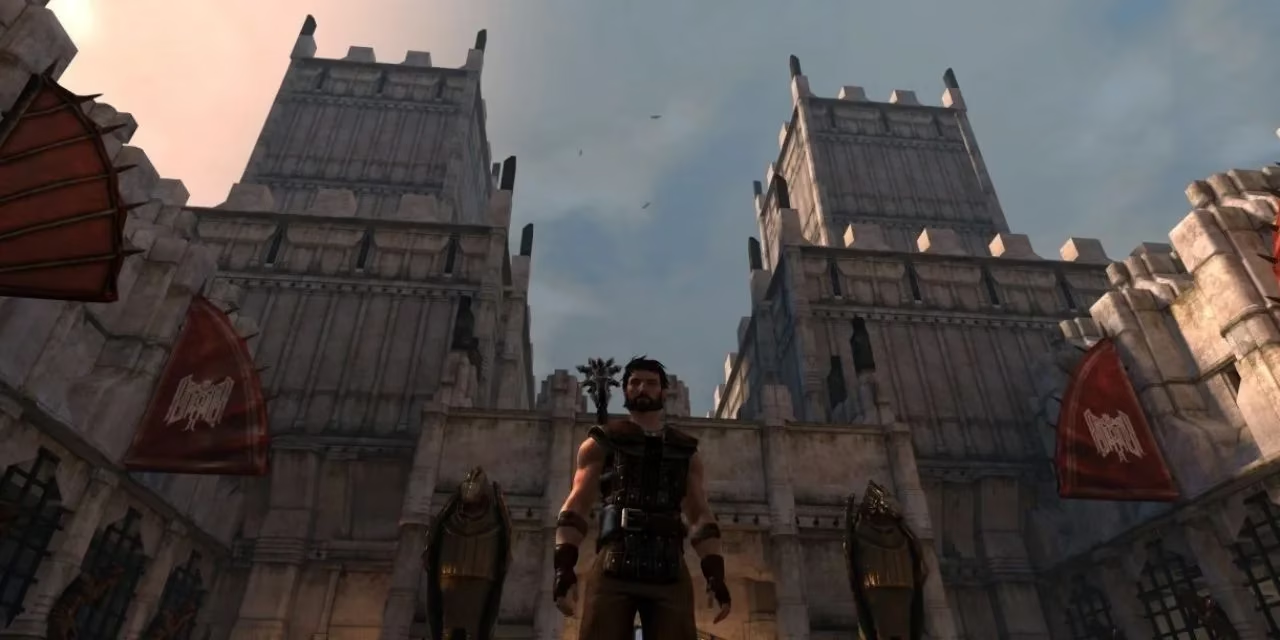
| 🏙️ Kirkwall | Dragon Age 2 | A single city split by class, mood, and stone |
| 🏘️ Bowerstone | Fable series | A town that grows into a bustling, changing city |
| ❄️ Holy Capital Argene | Harvestella | Snowy temples, side quests, and frosty atmosphere |
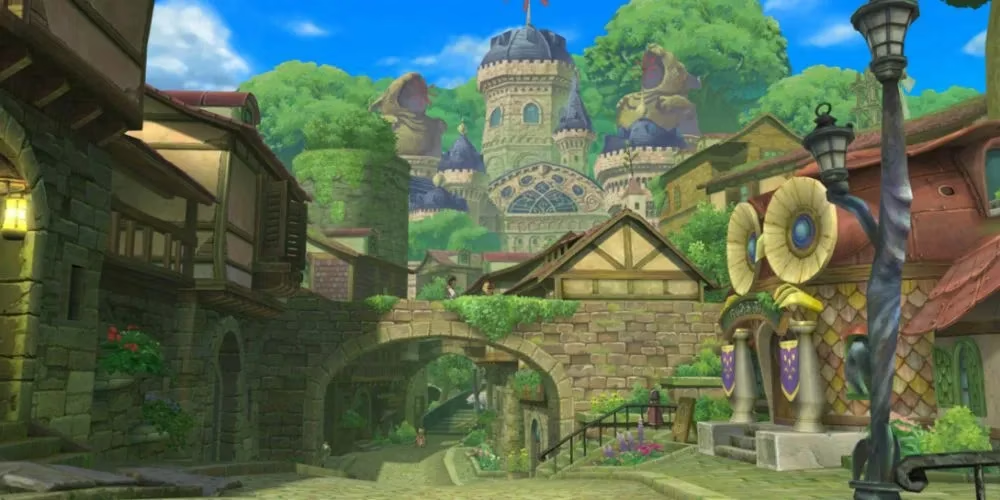
| 🐱 Ding Dong Dell | Ni No Kuni | Ghibli-like charm and a castle over a moat |
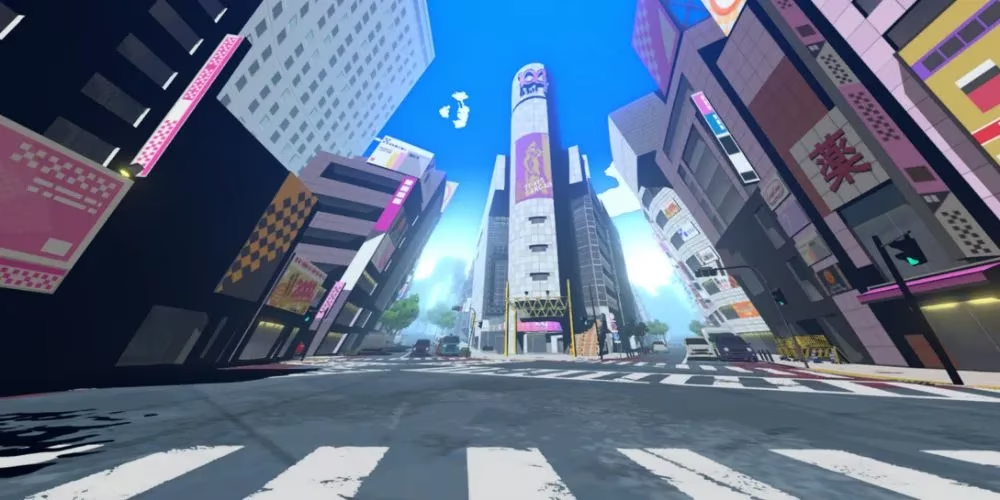
| 🚦 Shibuya | The World Ends With You | Real-world landmarks turned into a stylish playground |
| 🌃 Yokohama | Yakuza: Like A Dragon | A lively recreation with distinct districts |
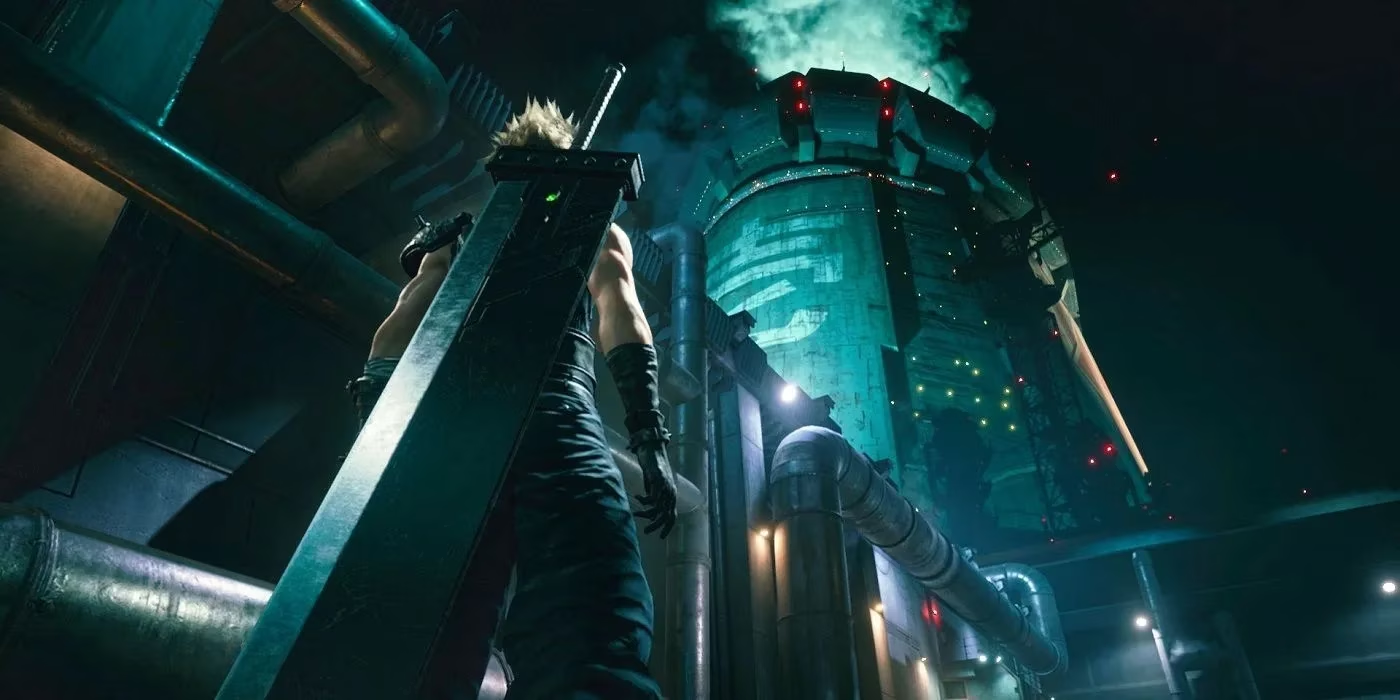
| ⚙️ Midgar | Final Fantasy 7 | Nine sectors, a central tower, and enormous scale |
| 🥖 Paris | Assassin’s Creed: Unity | Crowds, rooftops, smoke, and 18th-century detail |
| ☕ London | Assassin’s Creed: Syndicate | A huge 19th-century city built for traversal |
| 🍺 Novigrad | The Witcher 3 | Busy streets and a fantasy city that feels lived-in |
The list could stop there, but the details matter. Kirkwall is the rare RPG city that becomes the whole argument of its game. Dragon Age 2 keeps players inside one place, and that constraint gives the city a memorable shape. Hightown is bright and wealthy, Lowtown is darker and industrial, and Darktown is where the city’s poorest residents are pushed out of sight. The areas are not just visual themes; they are social layers. Players who want a clean fantasy postcard may bounce off Kirkwall, but anyone who sticks with it gets a city with a personality and a temper.
Bowerstone is a different kind of achievement. It appears across the Fable series, and time changes it. In the original game it is closer to a simple town; by Fable 2 it has districts such as Bowerstone Market, Old Town, and Fairfax Gardens. Fable 3 pushes the city into a more industrial age, and some areas lose their color. That evolution is the point. Bowerstone feels like a place with a history rather than a frozen diorama.
Holy Capital Argene from Harvestella earns its place through atmosphere. The city sits under a blanket of snow, with looming temples guarding the outskirts and smaller corners tucked away for curious players. It is a sharp contrast to the humble farm life in Bird’s Eye Brae, and the side quests from NPCs make it feel busy in a quiet, wintry way. Not every great RPG city needs to be a metropolis; sometimes a frozen capital with a few warm interiors is enough.
Ding Dong Dell is pure storybook energy. Ni No Kuni’s connection to Studio Ghibli is obvious in its 2D cutscenes, and the city carries that same animated warmth. Greenery and moss climb over structures, while a majestic castle sits at the rear behind a moat and wall. Many residents are Grimalkin, cat-like people who make the place feel softer and stranger at the same time. It is the first big city in the game, and it sets a high bar for wonder.
Shibuya in The World Ends With You and NEO: The World Ends With You is a real place recreated with style. The Scramble Crossing and the Hachiko Statue are there, but the city is not a museum tour. It is a survival arena for the Reapers’ Game, and that tension makes familiar streets feel dangerous. NEO benefits from updated graphics, and the result is a Shibuya that feels vibrant, loud, and eager to hide secrets in plain sight.
Yokohama in Yakuza: Like A Dragon works because it feels inhabited. The game moves away from the usual Kamurocho focus and builds a turn-based RPG around a recreation of the real Yokohama. Chinatown, Koreatown, and the Commercial District each have a different look and rhythm, but most share one thing: crowds. Players are not walking through a empty stage; they are moving through a city that seems to have its own schedule.
Midgar remains one of the most iconic RPG cities because of its shape. Nine sectors, a central Shinra Building, and a silhouette that residents call the pizza: it is a city designed to be seen from every angle. The original Final Fantasy 7 made the place memorable, but Final Fantasy 7 Remake finally gave players a version that felt sprawling and overwhelming. Aerith’s house in Sector 5 is the emotional counterweight: a small, colorful garden in a dull slum. That contrast is why Midgar sticks.
Paris in Assassin’s Creed: Unity is a masterclass in crowd-driven immersion. Players can hop across rooftops, burst through buildings in a desperate escape, or simply walk among huge crowds under a smoke-filled sky. The city is not always fondly remembered as a game, but the recreation itself is hard to dismiss. London in Assassin’s Creed: Syndicate goes for sheer size, covering around 3.70km² and filling it with streets, gangs, bobbies, and top hats. It is not the biggest map in gaming, but it is one of the most impressive city spaces in an RPG-adjacent adventure.
 -3.jpg)
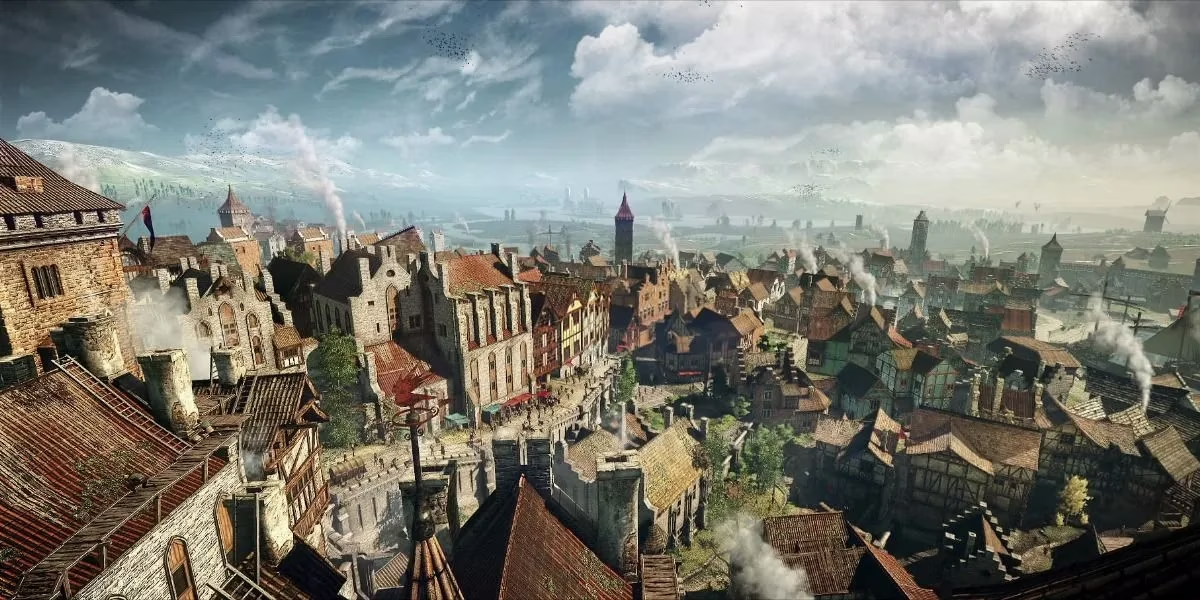
Novigrad from The Witcher 3 is the closing argument. It may lack the fairy-tale beauty of Beauclair, but it makes up for that with density. Branching alleyways, huge crowds, vendors, and objects packed into the streets create a fantasy city that feels genuinely lived-in. It is not a pleasant place to live, and that is part of the charm. In 2026, players still bring up Novigrad when they talk about scale and atmosphere, because it understands that a great RPG city is not just big. It is busy, specific, and a little bit overwhelming.
What ties these places together is not a single design rule. Kirkwall is a social pressure cooker, Bowerstone is a timeline, Argene is a mood, Shibuya is a playground, and Novigrad is a crowd. The best RPG cities give players a reason to walk instead of fast-travel. They make a shop feel like a destination, a district feel like a neighborhood, and a side quest feel like an excuse to linger. In 2026, that lesson still holds: bigger is not always better, but a city with a point of view is hard to beat.